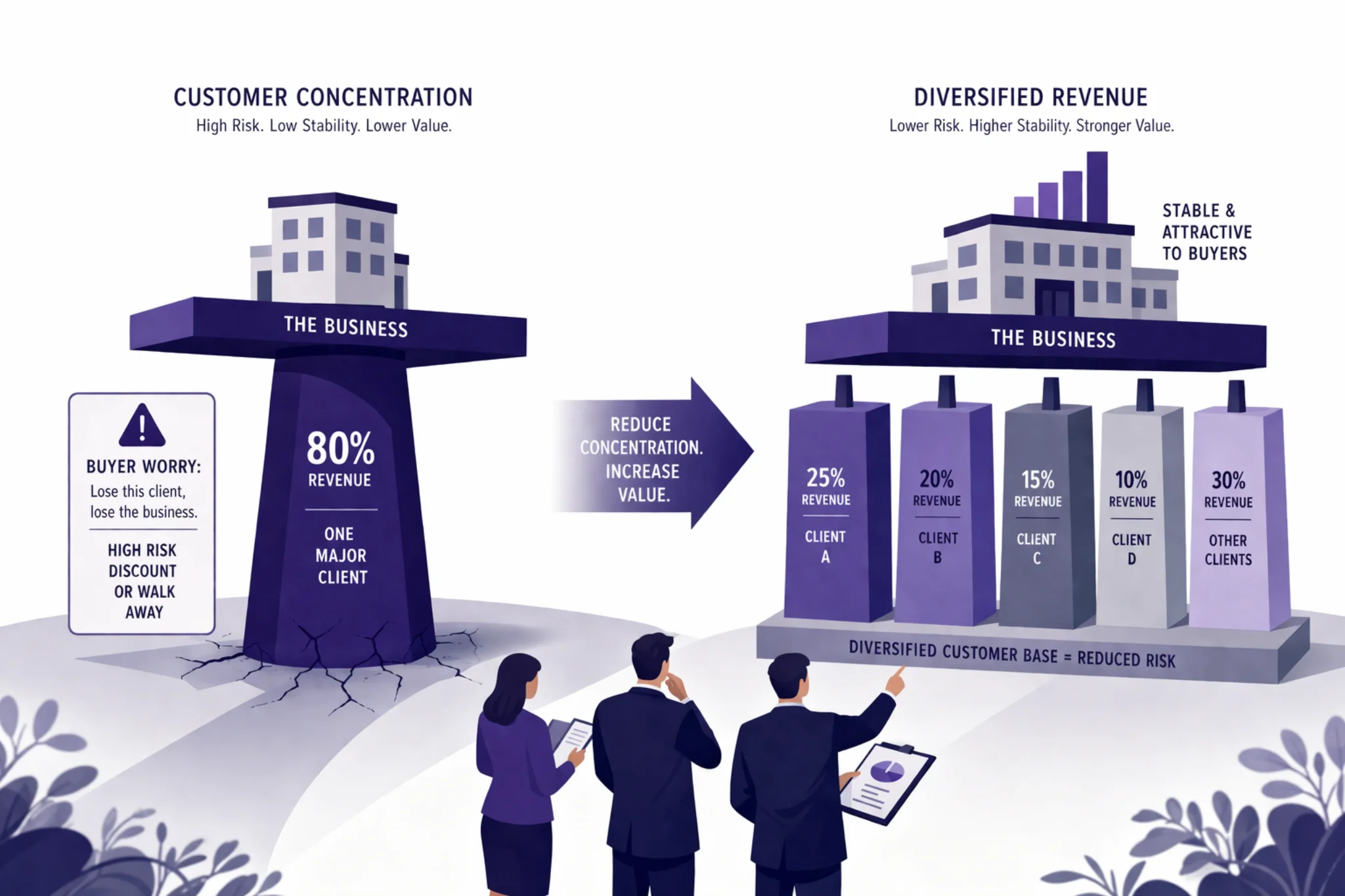

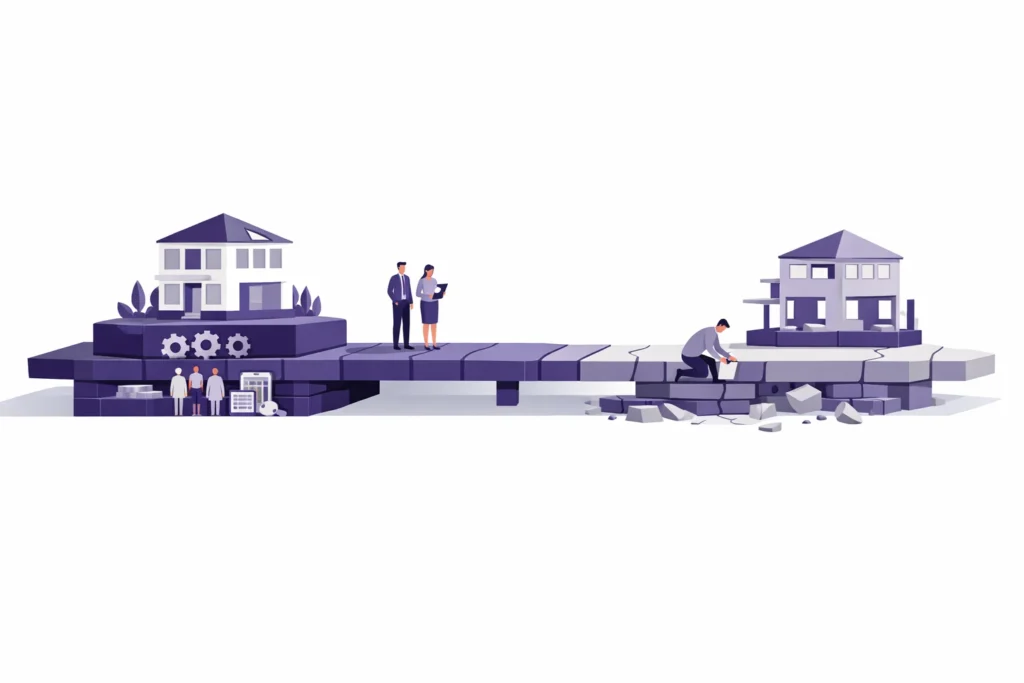
Most owners don’t delay preparation on purpose.
They just don’t know they were supposed to start earlier.
It’s not usually a case of:
“I’ll prepare when I’m ready to sell.”
It’s more:
“I didn’t realise I needed to do all this before I even go to market.”
And by the time that clicks, they’re already talking to brokers, listing the business, and expecting things to move quickly.
That’s where the gap starts.
For most people, it starts when they begin speaking to brokers or M&A advisors.
That’s the trigger.
They start looking into selling, maybe pay a marketing fee, list the business and expect interest to turn into a deal fairly quickly.
But selling a business doesn’t move at the same speed as everything else.
That’s usually the moment they realise there was work that needed to be done before this stage.
We’re so used to getting everything quickly now… people expect selling a business to work the same way.

Because they’ve never sold a business before.
When you’re building a business, you’re focused on:
You’re not thinking about:
Most owners only discover these things when they’re already too close to the sale.
If you know about selling businesses, you build it differently from day one.
It usually happens after the business is already on the market.
Buyers come in.
They start asking questions.
And then there’s a pattern.
Same questions. Same concerns.
Nothing dramatic. Just a shift in tone.
Buyers start digging into things the owner thought were fine… and suddenly they’re not fine anymore

They notice what the owner has stopped noticing.
Sometimes it’s:
These things don’t always affect day-to-day operations.
But they don’t hold up under scrutiny.
Stuff that might have been fine day-to-day… doesn’t hold up under scrutiny.
This is where people get it wrong.
Preparation doesn’t always mean more money, as covered in our guide on increasing business value before selling.
It can.
But more often, it creates confidence.
And that confidence changes how buyers engage.
It’s not always about adding dollars… it’s about creating undoubtable confidence
It’s not one big transformation.
It’s lots of small things done properly.
You:
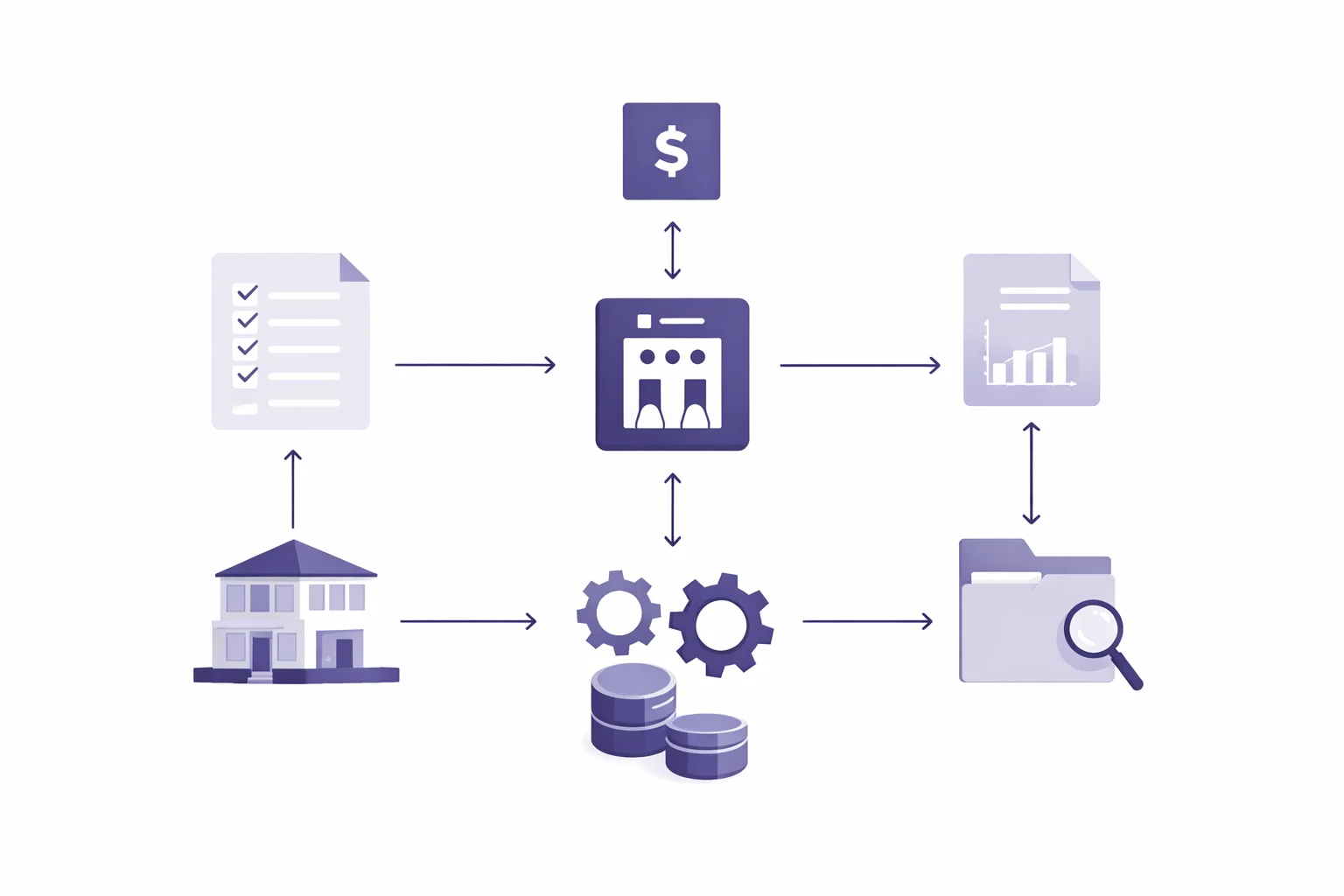
It becomes a complete, explainable system.
Not just something you’ve built and run.
You can show it on paper, show it in person, and talk someone through it properly
Buyers aren’t just buying what you’ve done.
They’re buying what happens next.
So they look for:
A business that feels easy to step into is far more attractive.
Buyers often buy the future… they don’t buy the past.
If the business isn’t well prepared, buyers start thinking differently.
They look at it and ask:
And sometimes the answer is yes.
At that point, they don’t negotiate.
They just walk away
They look at it and think… we could do this cheaper ourselves.
Usually one of a few things:
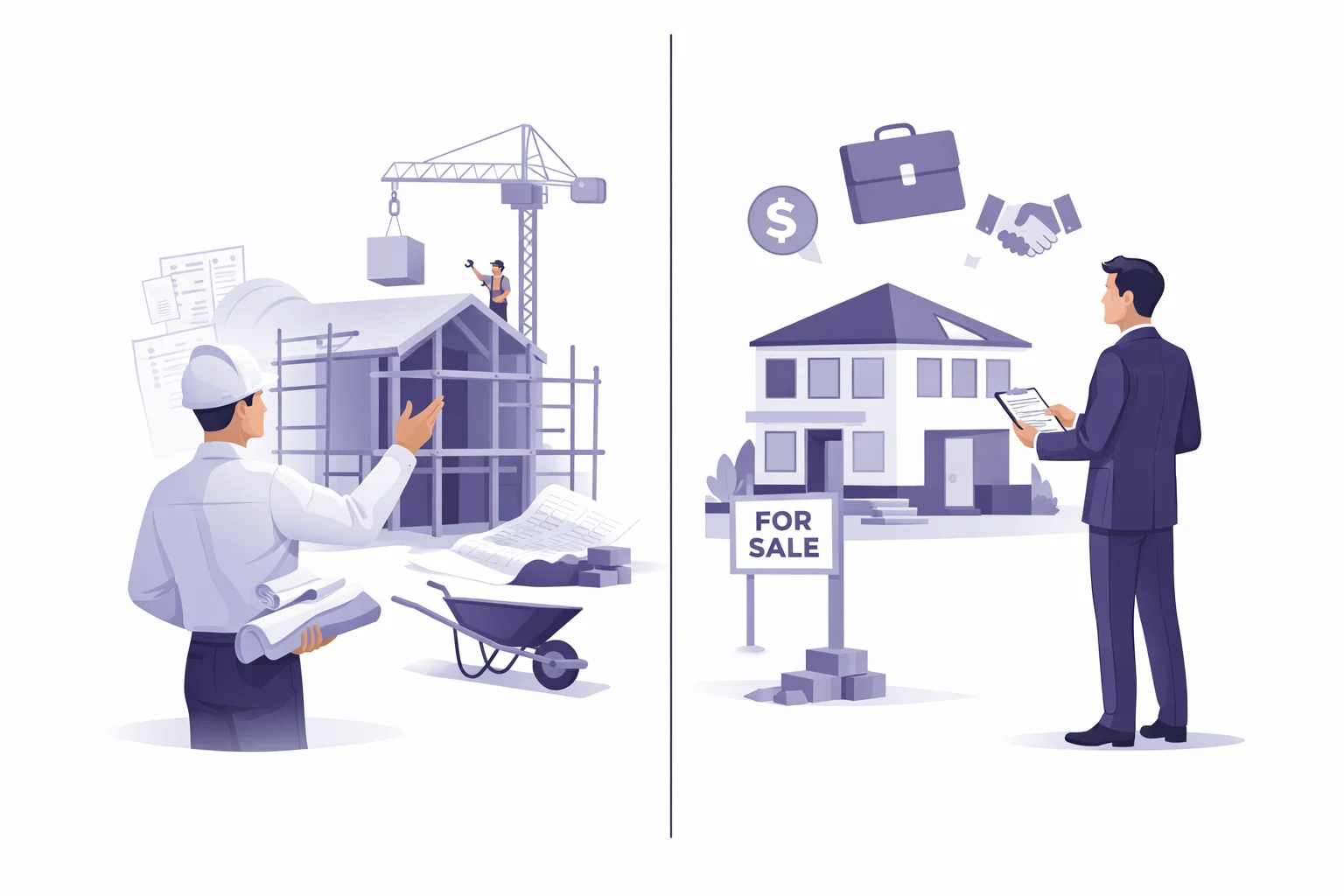
You’re either selling:
They’re either buying speed… or they’re buying something they can’t easily recreate
A lot of businesses go to market and don’t sell.
Not because of one big issue.
But because of stacked uncertainty:
At higher price points, this gets amplified.
Your word and your effort isn’t enough… you have to back everything up.
This is where it gets real.
If the business doesn’t sell, things shift.
And mentally, you’ve already checked out.
That’s when it becomes dangerous.
It can turn into circling the drain… where things just start dwindling.
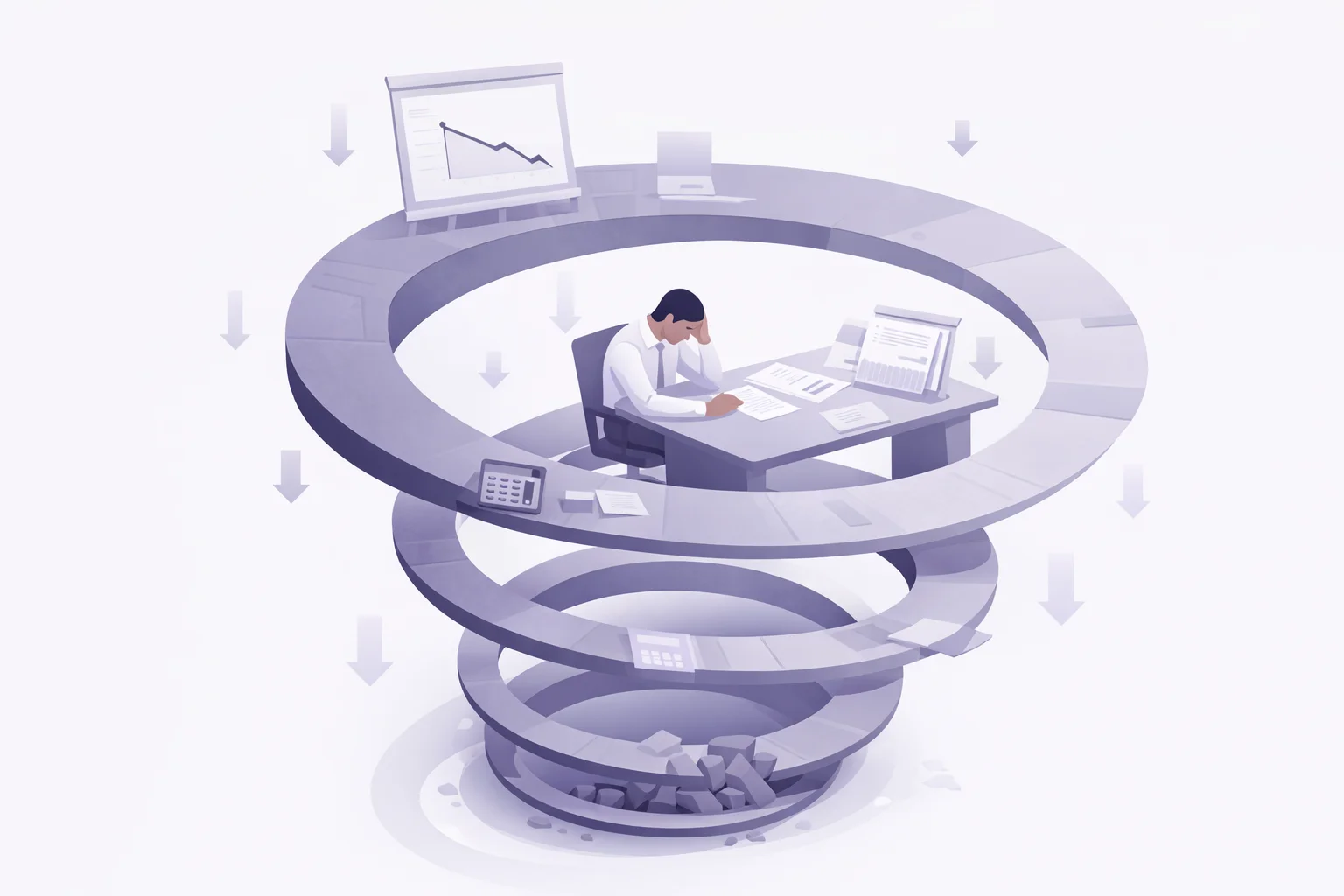
Preparation gives you options.
Without it, you’re reacting.
With it, you’re choosing:
It doesn’t guarantee a sale.
But it massively improves your chances.
It’s not about guaranteeing a sale… it’s about giving yourself the best chance.
As early as you can.
That’s the honest answer.
If you build with the mindset that you’ll sell one day, it changes everything:
Even small things start to matter.
What feels pointless early… becomes valuable later.
Then don’t wait.
Start where you are.
And most importantly:
Don’t rush to market.
It’s definitely worth speaking to someone early… before you list, especially if you’re considering structured exit planning support.
If you’re tight:
3 months is the bare minimum.
Not ideal.
But workable.
Anything beyond that, 12, 24, 36 months, gives you real control.
If you’ve only got three months… use that time before you list.
Preparing your business for sale doesn’t start when you list it.
It starts much earlier.
Often years earlier.
It’s not about perfection.
It’s about:
Because in the end:
“It might not just impact the price… it might be the difference between your business selling or not.”