

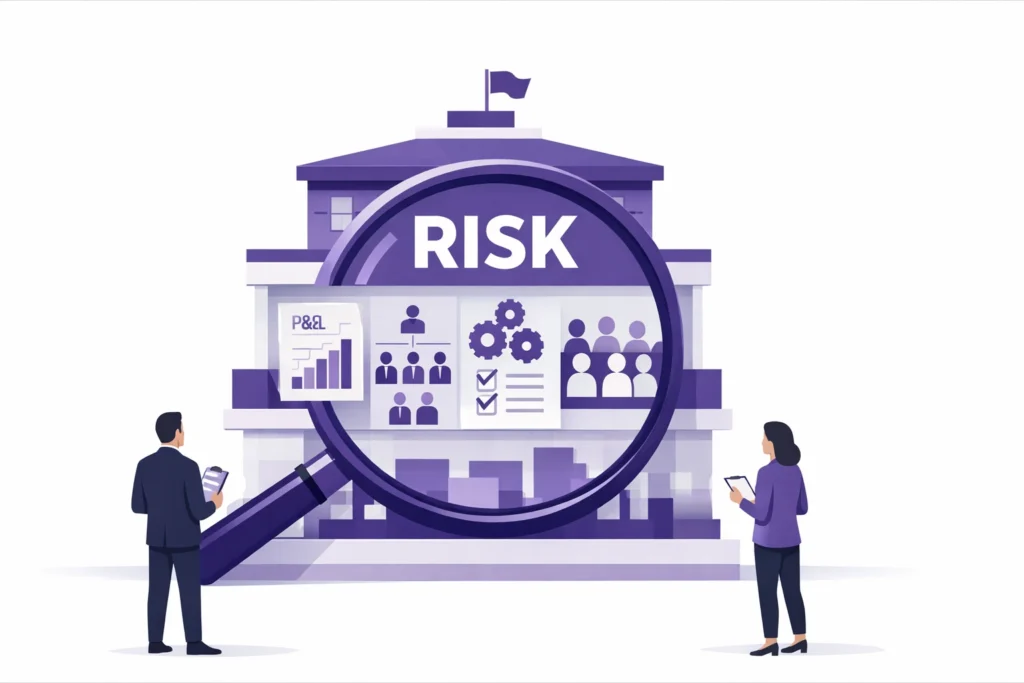
When owners think about selling, they often focus on price.
Buyers focus on something else first.
Risk.
Every buyer is quietly asking a simple question:
“How likely is this business to keep working once the current owner leaves?”
Understanding how buyers assess risk helps explain why some businesses attract strong offers while others struggle to hold value.
This topic also connects closely with the broader guide on increasing value when selling your business, because value and risk tend to move in opposite directions.
The lower the perceived risk, the stronger the business value usually becomes.
Risk in a business sale rarely means danger in the dramatic sense.
It usually means uncertainty.
Buyers are asking themselves:
• Are the numbers reliable?
• Will customers stay?
• Can the business operate without the current owner?
• Are there hidden problems waiting to appear later?
Most buyers assume every business contains some risk. That is normal.
What matters is whether those risks are understood and managed, or whether they are unclear and unpredictable.
When risk is visible and explainable, buyers usually stay engaged.
When risk feels vague or hidden, confidence fades quickly.
Buyers rarely fear known problems. They fear surprises.
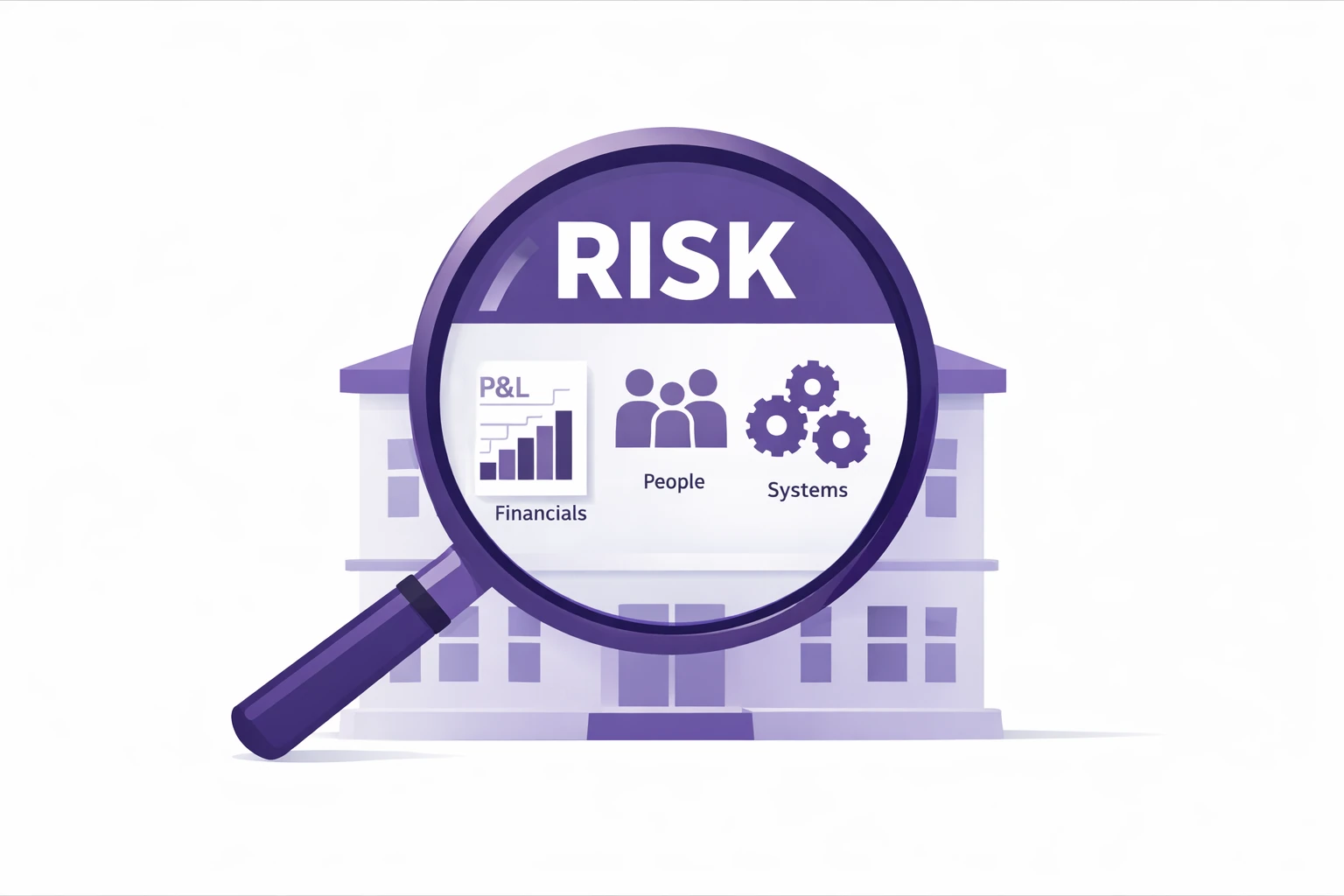
In practice, value is heavily influenced by how safe and predictable the income appears to a buyer.
Two businesses with similar profits can produce very different outcomes if one appears easier to operate and more predictable.
Buyers pay more when they believe income will continue with minimal disruption.
When uncertainty increases, buyers tend to protect themselves by lowering price, adjusting terms, or walking away.
As one experienced seller once put it:
Risk tends to show up in the multiple.
Financial clarity is often the first place buyers look for reassurance.
Clean, understandable numbers immediately reduce friction.
Buyers expect to see:
• Consistent reporting
• Clear profit and loss statements
• Logical explanations for unusual figures
• Clear separation between business and personal expenses
Messy financials are one of the fastest ways to trigger concern.
When numbers are unclear, buyers cannot confidently judge performance or risk.
As many buyers quietly say:
“Messy financials are an absolute no-no.”
They do not need perfect numbers.
But they do need numbers that make sense and can be trusted.

Buyers pay close attention to the behaviour of the owner during the sale process.
Small signals often matter more than sellers realise.
Even minor inconsistencies can create doubt.
Tiny white lies, shifting explanations, or changing numbers can quickly damage credibility.
One experienced observation captures this well:
“The tiniest white lie can kill a deal faster than a big problem.”
Buyers do not expect perfection.
But they do expect honesty and consistency.
Over-enthusiastic selling can also create discomfort.
A business sale is not a $1,000 service pitch.
Buyers prefer calm explanations backed by evidence.
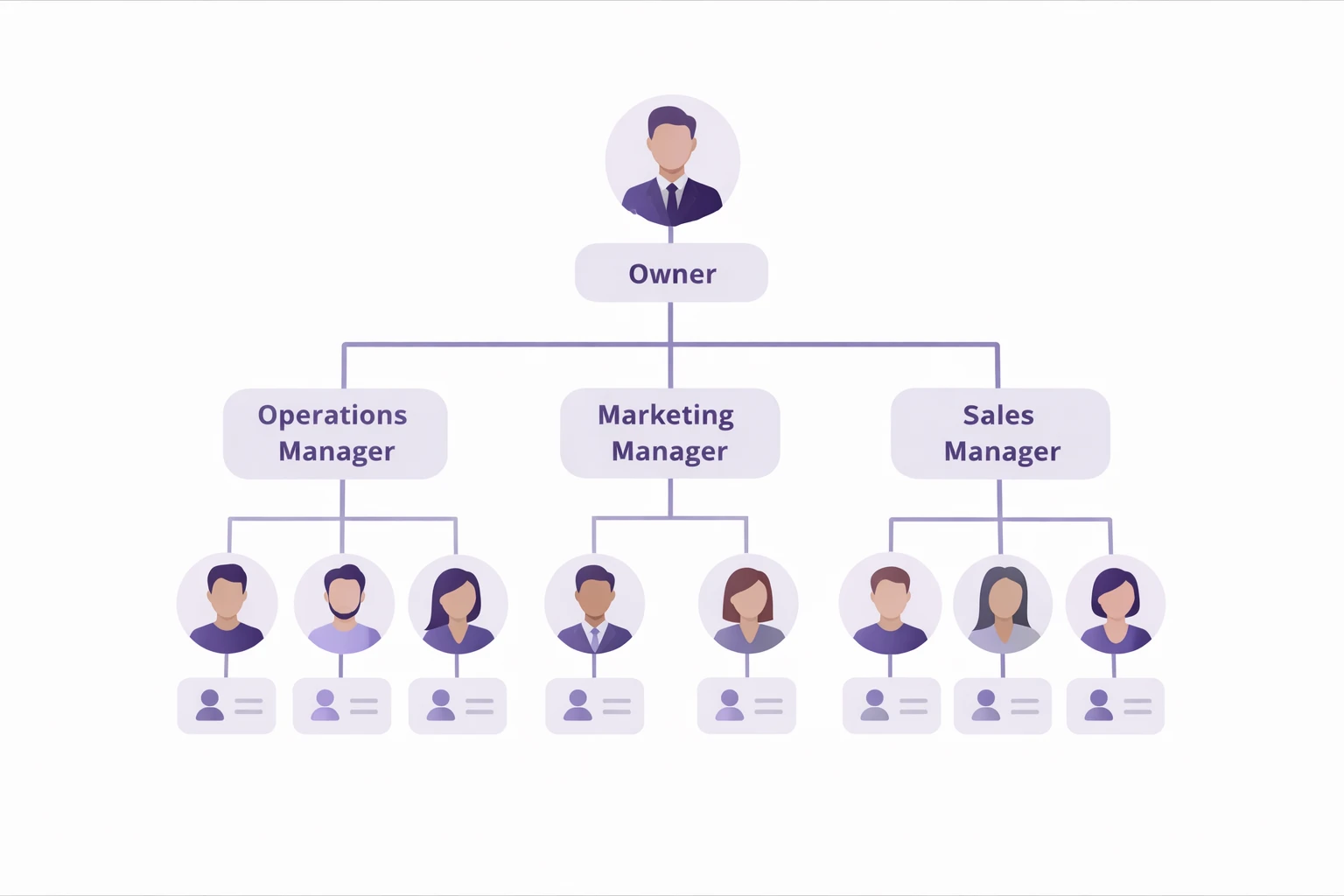
Owner dependence is one of the most common risks buyers evaluate.
If relationships, decisions, or knowledge sit almost entirely with the owner, the business becomes harder to transfer.
Buyers often ask:
• Who makes key decisions day to day?
• Who holds the customer relationships?
• Who understands the systems and operations?
A business that relies heavily on the owner feels fragile.
By contrast, businesses with clear delegation and defined roles feel safer to step into.
Buyers want to see a structure where responsibilities are distributed across the team.
Buyers aren’t buying your effort. They’re buying what remains after you leave.
Customer concentration is another major risk buyers examine.
When a large portion of revenue depends on one or two clients, uncertainty increases.
Buyers begin asking questions.
• What happens if that client leaves?
• Is the relationship tied to the owner personally?
• Does the customer value the business itself or the individual behind it?
A business with a diverse customer base feels more stable.
When revenue relies heavily on a single account, buyers often adjust their offer or deal structure.
Income spread across many clients feels like stability. Income tied to one client feels like exposure.
Buyers often pick up signals about a business long before reviewing detailed data.
Company culture, reputation, and employee engagement all contribute to confidence.
Happy employees and engaged key staff can signal continuity after the owner leaves.
In contrast, visible internal tension or disengagement creates doubt.
Even physical presentation plays a role.
A tidy workspace or organised operation quietly communicates care and discipline.
One observation often shared in deals:
Small signals tell buyers how the business is really run.

Most businesses have imperfections.
Buyers expect this.
What concerns them is discovering issues late in the process.
Problems that appear during due diligence but were not mentioned earlier can create serious credibility problems.
Buyers may start questioning what else has not been disclosed.
Deals rarely collapse because a business has flaws.
They collapse when trust disappears.
Problems disclosed early are manageable. Problems discovered late feel like deception.
Historical performance is the foundation of buyer analysis.
Numbers provide proof.
But buyers also want to see evidence that the business has a future.
Strong buyers look for a balance.
They want historical consistency combined with a believable growth direction.
They often ask:
• Is the business still evolving?
• Does the team show ambition?
• Is the market position improving?
In simple terms, buyers want to feel the business intends to thrive regardless of whether it sells.
Buyers trust history, but they buy the future.

Transferability is a major component of risk.
Buyers want to see that the business can operate without constant owner involvement.
Signals of transferability include:
• Clear roles and responsibilities
• Position descriptions tied to accountability
• Structured delegation
• Strong second-line management
• Documented systems and processes
Interestingly, clear position descriptions can act as a subtle marketing tool.
They show the business structure has been designed deliberately.
Buyers gain comfort when they see a system rather than personality holding the business together.
Structure creates confidence
When buyers compare similar opportunities, small differences often influence the final decision.
Consistency is one of the strongest signals.
Businesses with stable revenue patterns, steady growth, and reliable history feel safer.
Sudden spikes in revenue can sometimes create suspicion rather than excitement.
Buyers prefer a business that looks sustainable rather than unpredictable.
Clear growth pathways also help.
Not ambitious forecasts, but repeatable pathways to growth.
Consistency often beats excitement.
Buyers rarely assess risk through a single metric.
They form an overall picture using:
• Financial data
• Operational structure
• Owner behaviour
• Company culture
• Credibility and transparency
Many of the signals they rely on are surprisingly simple.
Clear numbers.
Transparent communication.
Stable history.
Transferable systems.
A business that looks organised and cared for.
Understanding how buyers assess risk helps explain why preparation directly affects business value.
Reducing uncertainty is often the fastest way to strengthen a sale outcome.
“The safer a business feels, the more valuable it becomes.”