


Most owners assume negotiation starts once an offer is written.
It usually starts earlier.
The first discussion about price.
The first question about terms.
The first moment a buyer pushes back on risk.
By the time documents appear, negotiation has already begun.
Understanding how to negotiate a business sale with a buyer means recognising that tone, clarity, and structure are shaping the deal long before lawyers are involved.
If you want to see where negotiation sits in the broader journey, our guide on explains the full business sale process from preparation to completion.
It rarely starts with a contract. It starts with expectations.

Negotiation is not just agreeing on a number.
It involves aligning:
A buyer is not just buying income.
They are buying forward risk.
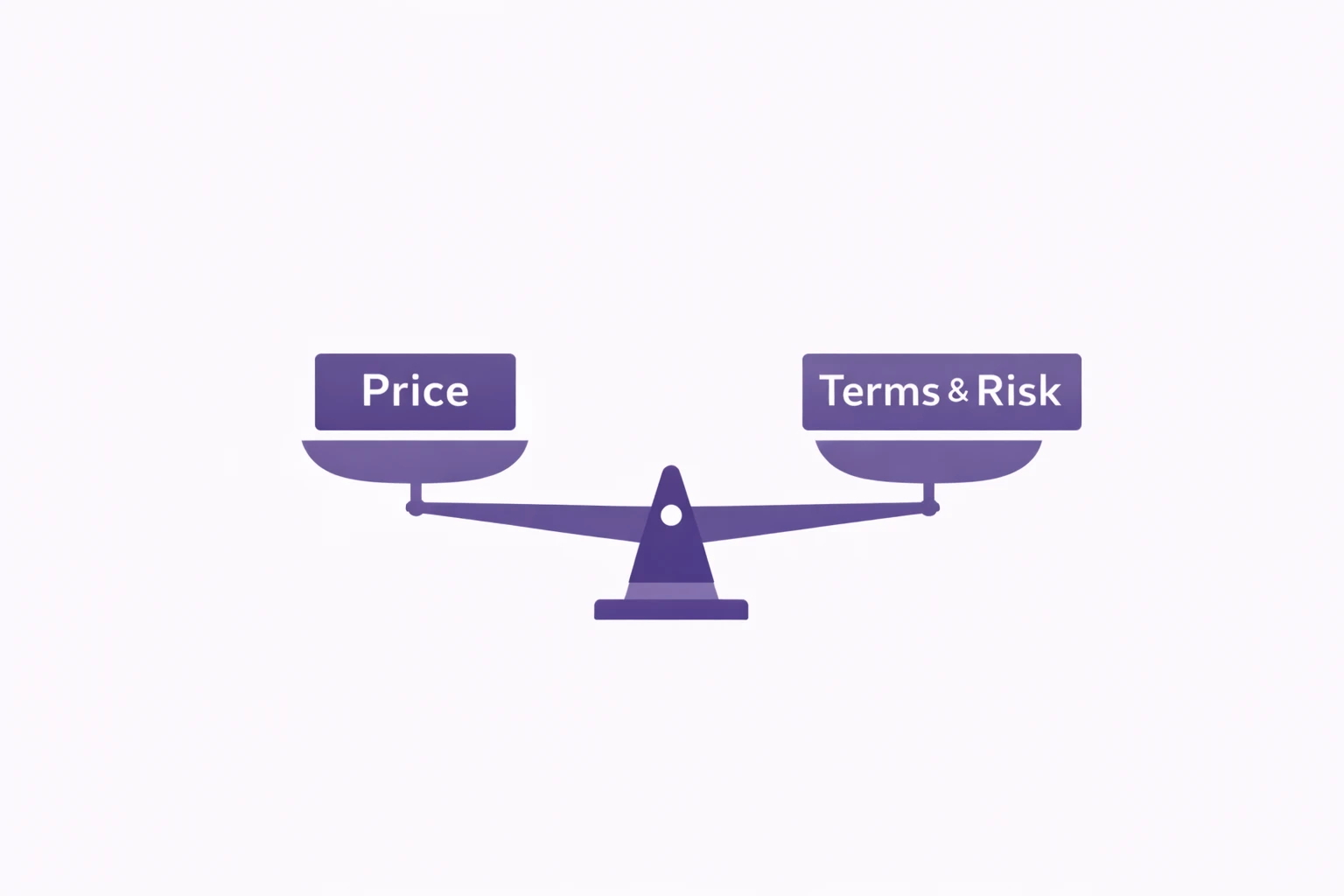
When sellers focus only on money and ignore terms, imbalance begins.
Strong negotiation means understanding the full structure, not just the figure at the top of the page.
The headline price is only one part of the deal.
It is natural.
Owners carry years of effort, sacrifice, and identity.
Buyers carry uncertainty.
The seller knows the business deeply.
The buyer does not.
The buyer will counter risk using structure/deal terms.
Learning how to negotiate a business sale with a buyer requires stepping into their position.
They are committing significant capital to something they are still verifying.
Of course they will check and check again.
When you understand the risk sits with the buyer, the conversation makes more sense
This is where many negotiations either stabilise or derail.
Sellers sometimes jump ahead into hypotheticals.
They react to clauses that are not yet active.
They defend emotionally rather than commercially.
Strong negotiators step outside the business.
They look at the deal as a whole.
The buyer is not challenging effort.
They are testing risk.
Understanding this reduces friction immediately.
If you were writing the cheque, what would you need to feel comfortable?
It is rarely aggression.
It is detachment.
The ability to step out of the hot seat.
To read nuance.
To know when to apply momentum and when to slow down.
Not pushing artificial urgency.
Not allowing the deal to drift.
There is an art to maintaining perceived demand without bluffing.
Ethics sit at the centre.
If the business is good and honestly presented, negotiation becomes structured rather than casual.
This is where an experienced business broker comes in.
A steady negotiator keeps the deal on track without overheating it.
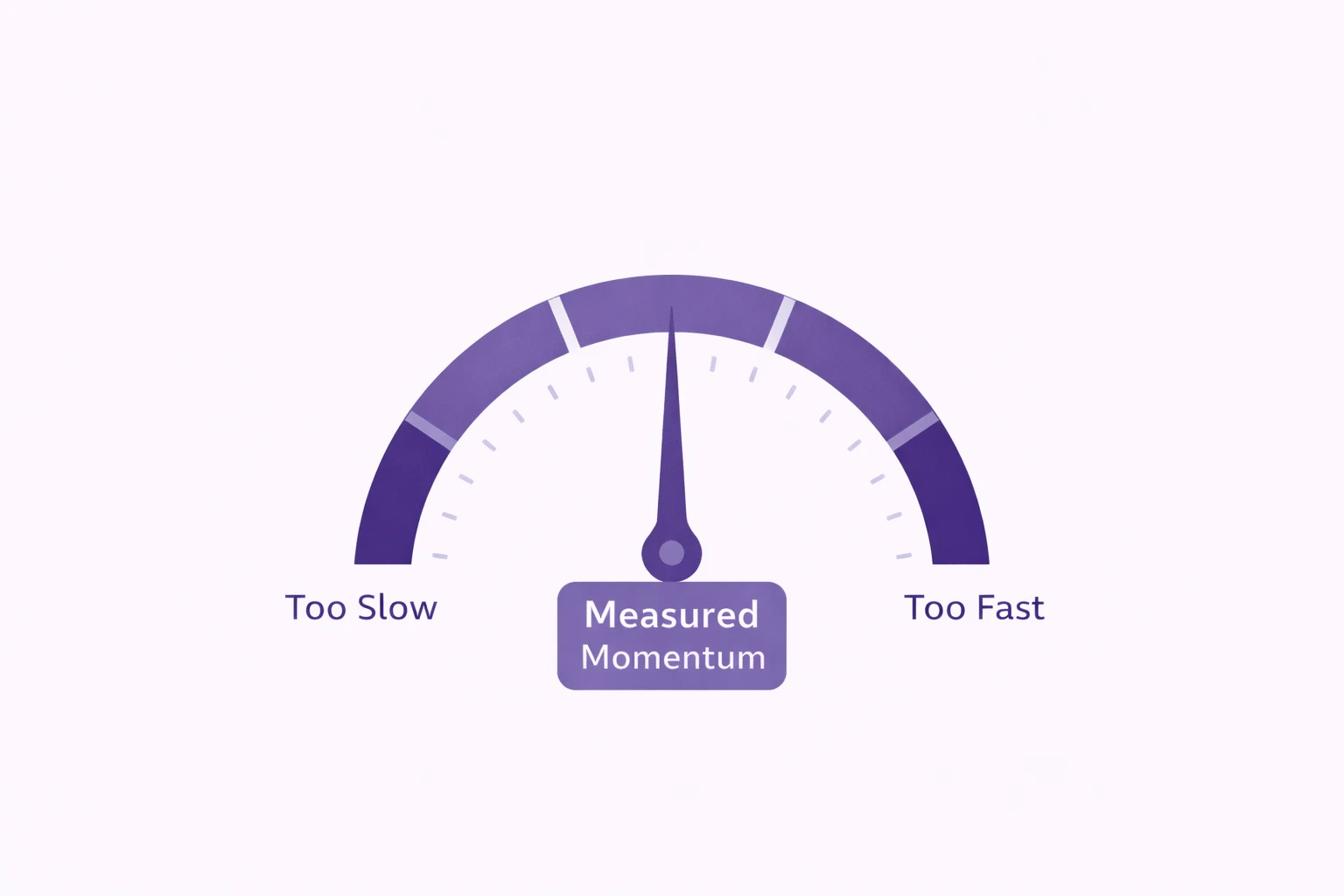
Momentum is fragile.
Deals often stall because:
Sometimes life simply changes on one side.
Healthy pressure looks like structure.
Not silence.
Not artificial threats.
Respecting that both sides are committing time and resources keeps the flow steady.
Negotiation is a dance.
It requires back-and-forth movement.
The deal needs continuous dialogue to stay alive.
It is usually a combination of things.
Often the seller underestimates how exposed the buyer feels.
The buyer does not yet know what they truly own.
Verification is not distrust.
It is protection.
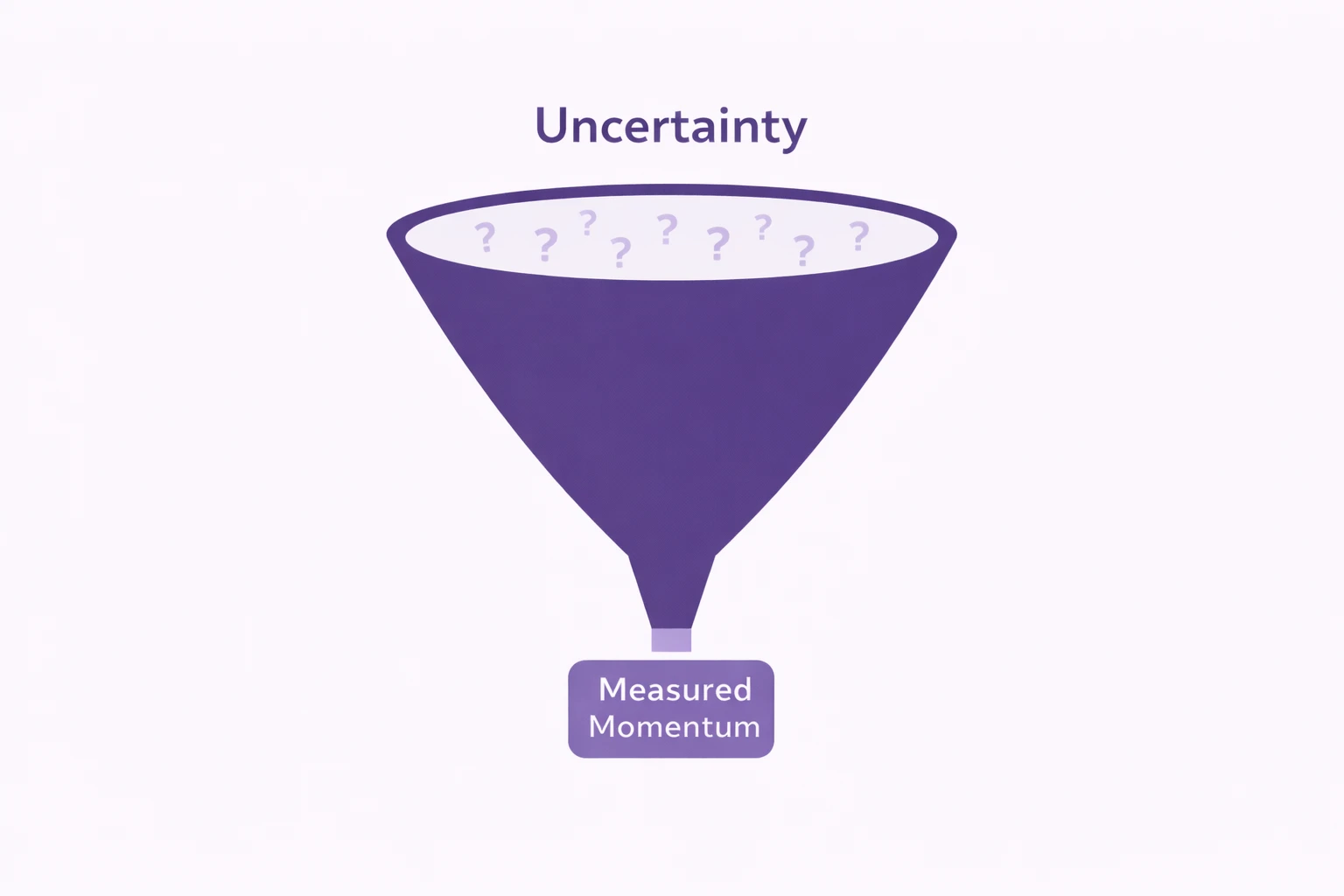
Breaking negotiations into smaller components helps.
Gradually narrow the field of uncertainty.
Most deals wobble because expectations shift, not because positions differ.
When sellers negotiate alone, emotion often rises.
Minor clauses escalate.
Too much is conceded too early.
Personal incompatibility overrides structure.
An intermediary sits outside the heat.
They maintain tone.
Filter reactions.
Keep discussions commercial.
This is where experienced advisors earn their role.
Not by pushing harder.
But by keeping the negotiation balanced and focused.
The value of an intermediary is perspective
Not euphoric.
Not bruising.
Clean.
Like selling a well-serviced vehicle.
It has been maintained properly.
Minor issues are disclosed.
Nothing material is hidden.
The buyer understands what they are taking over.
They know future improvements are theirs to make.
“You should be able to call the buyer two years later and hear that it was a good move for them.”
That is the real test.
If the deal was balanced, transparent, and commercially fair, both sides move forward without regret.
Negotiation is not about extracting every last dollar.
It is about structuring a transaction that stands up over time.
And when it does, the sale process feels steady.
Not effortless.
But steady.