


For many owners, the sale feels manageable until the first proper document request arrives. Questioning, what documents buyers ask for during a business sale?
Not a casual question.
A list:
That is often the moment it shifts.
You are still running the business.
You may not have told staff.
You may not want family or clients to know.
And now someone is asking to see inside.
The workload feels heavier because it is layered on top of everything else.
And often, you are handling it alone.
It’s not the question that overwhelms you. It’s the list

When buyers request documents during a business sale, they are not asking for reassurance.
They are asking for evidence.
They are analysing risk.
They are assessing transferability.
They are checking whether what has been discussed can be supported
When a business is valuable, scrutiny increases.
Not because something is wrong.
Because something is expensive.
Buyers analyse documents. They don’t buy conversations.
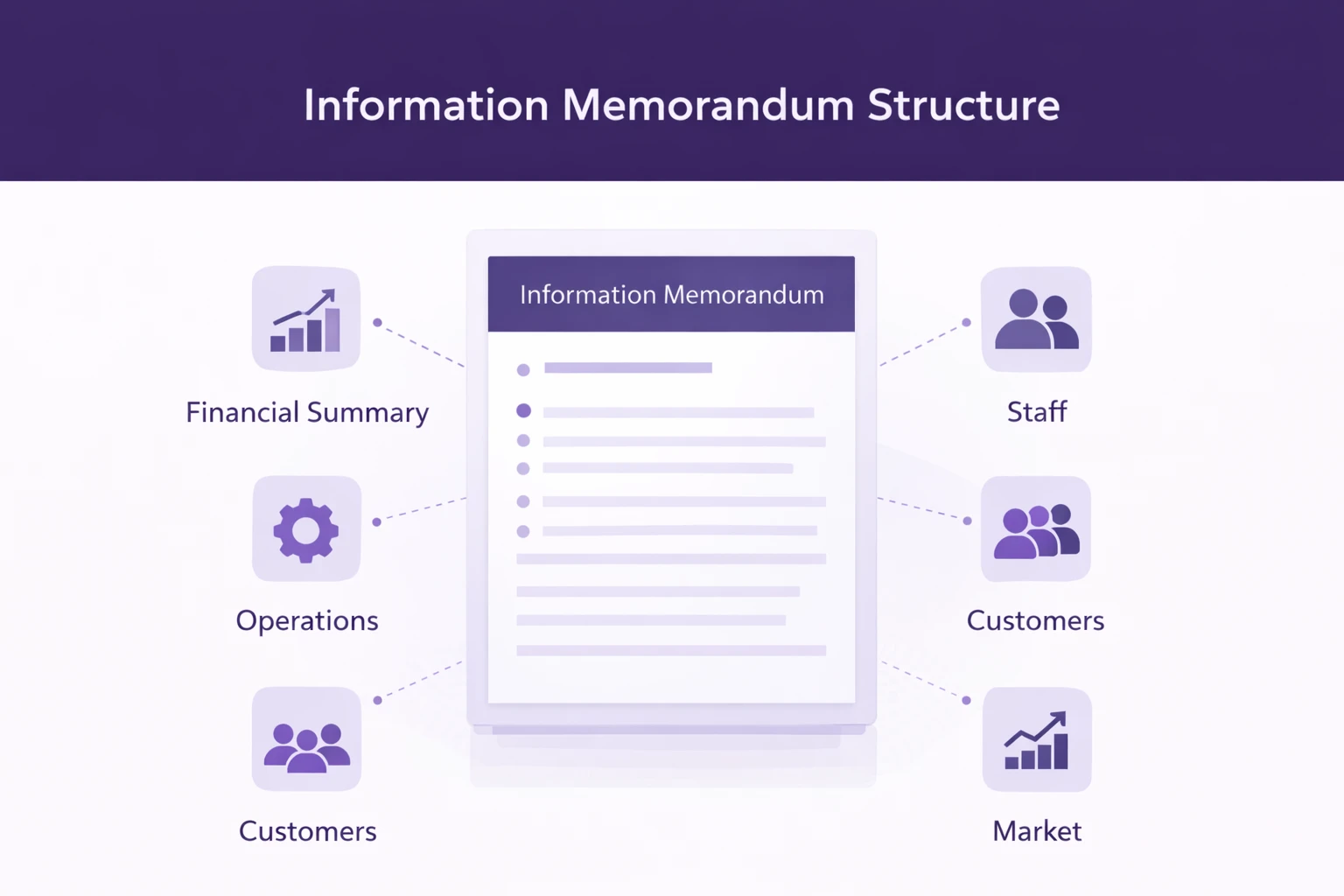
The CIM helps a buyer understand the story before they test the detail.
Before full due diligence begins, there is usually a structured overview document.
Often called a Confidential Information Memorandum or simply an Information Memorandum.
This is not raw data.
It is a curated explanation of the business.
It typically includes:
In well-managed processes, much of this is prepared before a buyer even asks for it.
Not reactively.
Proactively.
A structured CIM anticipates the first wave of questions.
When this groundwork is done properly, early conversations feel controlled rather than rushed.
This is where most exposure is felt.
Money documents feel personal.
Common financial documents buyers ask for during a business sale include:
• Last three years profit and loss statements
• Balance sheets
• BAS or tax summaries
• Revenue by client or segment
• Aged receivables and payables
• Payroll summaries
• Quality of earnings analysis
• Explanation of adjustments or add-backs
Some of this exists already.
Some may need cleaning up.
Some may need explanation.
Some may need to be created.
Some may need careful redaction.
Buyers are not only looking at profit.
They are asking:
Is it consistent?
Is it transferable?
Is it reliable?
This is not about airing laundry.
It is about demonstrating stability.
Financials don’t need to be perfect. They need to be defensible.
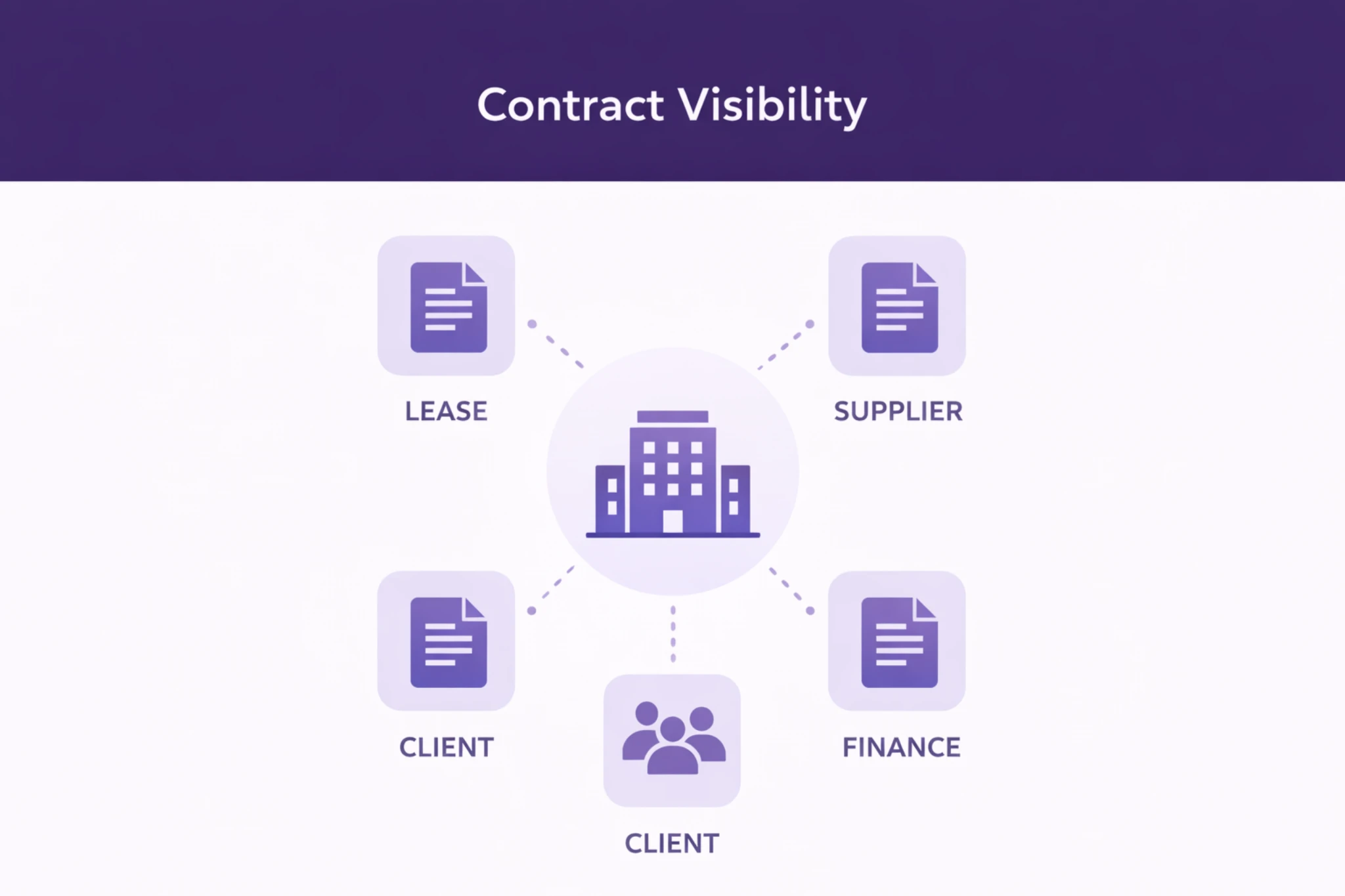
Beyond financials, buyers usually want visibility over obligations.
This may include:
• Customer contracts
• Supplier agreements
• Lease agreements
• Equipment finance
• Franchise or licence agreements
• Shareholder agreements
• Loan documents
Not because they expect problems.
Because obligations move with the business.
Loose documentation slows trust.
Clear documentation accelerates it.
What holds a business together is just as important as what brings the money in
This category often creates discomfort.
It feels confidential.
It feels sensitive.
Common requests include:
• Employee list and roles
• Employment contracts
• Salary and wage summaries
• Leave balances
• Bonus or commission structures
• Superannuation compliance
• Key person dependencies
This is not about judging pay levels.
It is about understanding cost structure and operational continuity.
Information is often staged and partially redacted early to protect confidentiality.
Structure matters.
If the people are central to the business, buyers need to understand them
Some businesses rely heavily on informal knowledge.
Buyers look for structure.
This can include:
• Process documentation
• System descriptions
• Software platforms used
• CRM summaries
• Workflow diagrams
• Insurance schedules
• Compliance certificates
Not all businesses have perfect documentation.
That is normal.
But clarity reduces uncertainty.
A system explained clearly feels safer than a system explained verbally

At first glance, many owners think:
“I have most of this somewhere.”
But preparing documents buyers ask for during a business sale is not just gathering files.
It is:
It is precision.
Buyers form impressions quickly.
Thorough preparation signals seriousness.
Partial preparation signals risk.
And when confidentiality limits who can help, the weight increases.
This is where experienced sale advisers can materially change the process.
Not generic bookkeeping support.
But professionals who understand buyer scrutiny.
Accountants familiar with quality of earnings reviews.
Brokers who prepare businesses for examination.
“A good broker doesn’t just circulate a business. They prepare it for scrutiny.”
The difference usually appears during due diligence.
When documents are organised.
When explanations are consistent.
When questions are anticipated rather than reacted to.
This isn’t the stage for ‘that will do.’ It’s the stage for accuracy
Not every document is handed over immediately.
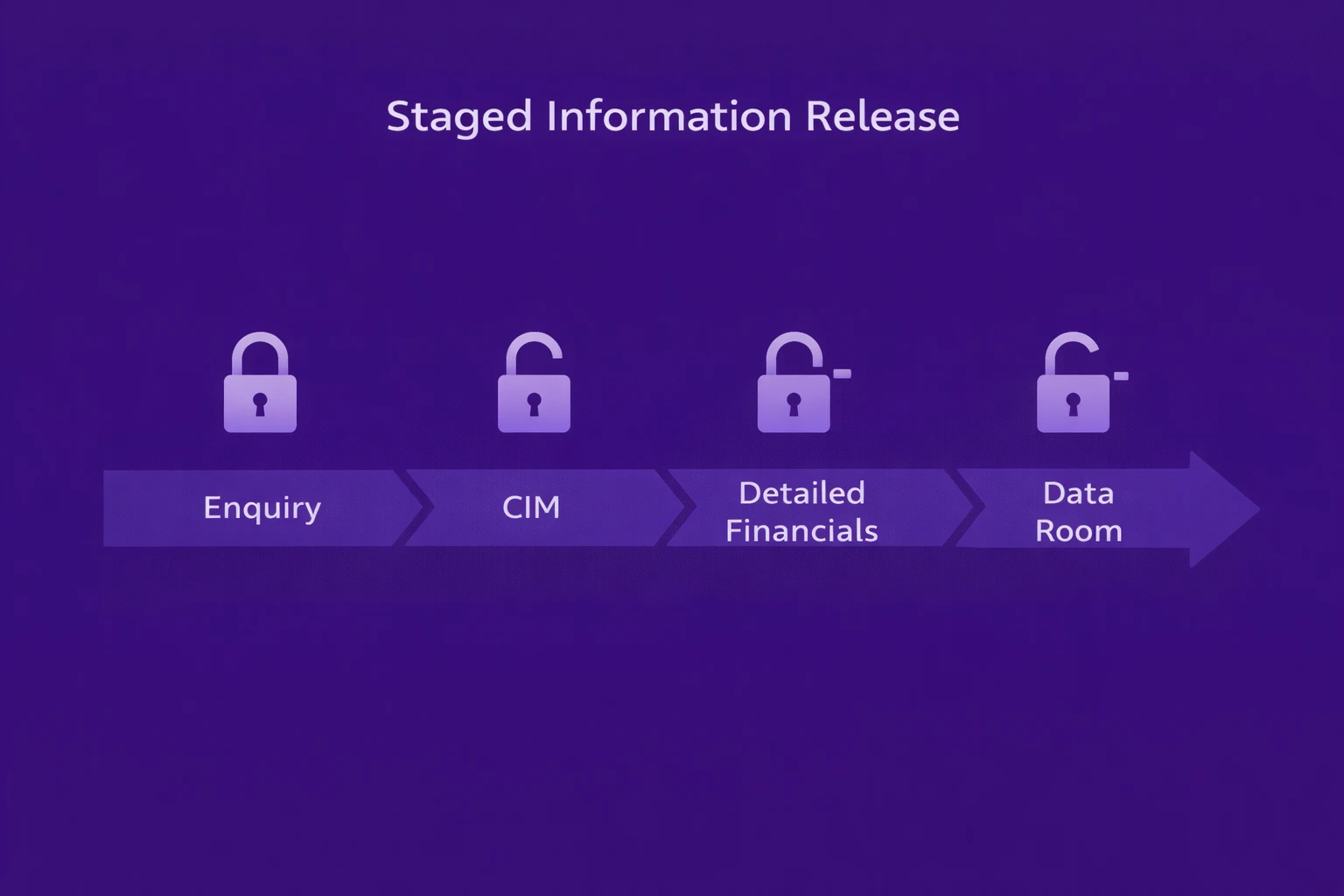
Information usually expands in stages.
Early stage:
High-level summaries and the Information Memorandum.
Mid stage:
Structured financial and operational detail.
Due diligence:
Full data room access and verification.
This protects confidentiality.
It also preserves leverage.
That structure keeps the process controlled rather than reactive.
Information expands as seriousness increases
Many owners assume:
• Buyers are being excessive
• Verbal explanations should be enough
• Requests mean distrust
• Documents can wait until the deal is nearly done
In reality:
This is not interrogation.
It is risk management.
Small gaps early are manageable. Surprises late are not.
Document readiness affects more than workload.
It affects:
When documentation is clear, discussions focus on structure and outcome.
When documentation is unclear, discussions focus on doubt.
Maximising effort here is not cosmetic.
It shapes how buyers engage.
A confident buyer negotiates differently to a cautious one.
Preparation does not guarantee a business sale.
But it reduces friction.
Understanding what documents buyers ask for during a business sale also changes how you view record keeping long before selling.
Some owners prepare years ahead.
Others prepare quickly when a buyer appears.
Both are workable.
“Selling with full documentation feels very different to scrambling for it.”
The goal is not perfection.
It is structure.
Because when the time comes, buyers will look beyond the story.
They will look for the evidence behind it.
And when that evidence is organised, the sale process becomes steadier.
Not lighter.
But steadier.