


Very few owners begin with enthusiasm about brokers.
The question usually sounds practical.
Underneath that is something deeper.
Control.
Trust.
Cost.
And pride.
You can sell your business yourself.
There is no rule requiring a broker.
The real issue is not permission.
It is complexity.
And most owners only see the complexity once you are selling your business.
Selling looks straightforward until you are responsible for every moving part.

Selling is not just posting a listing.
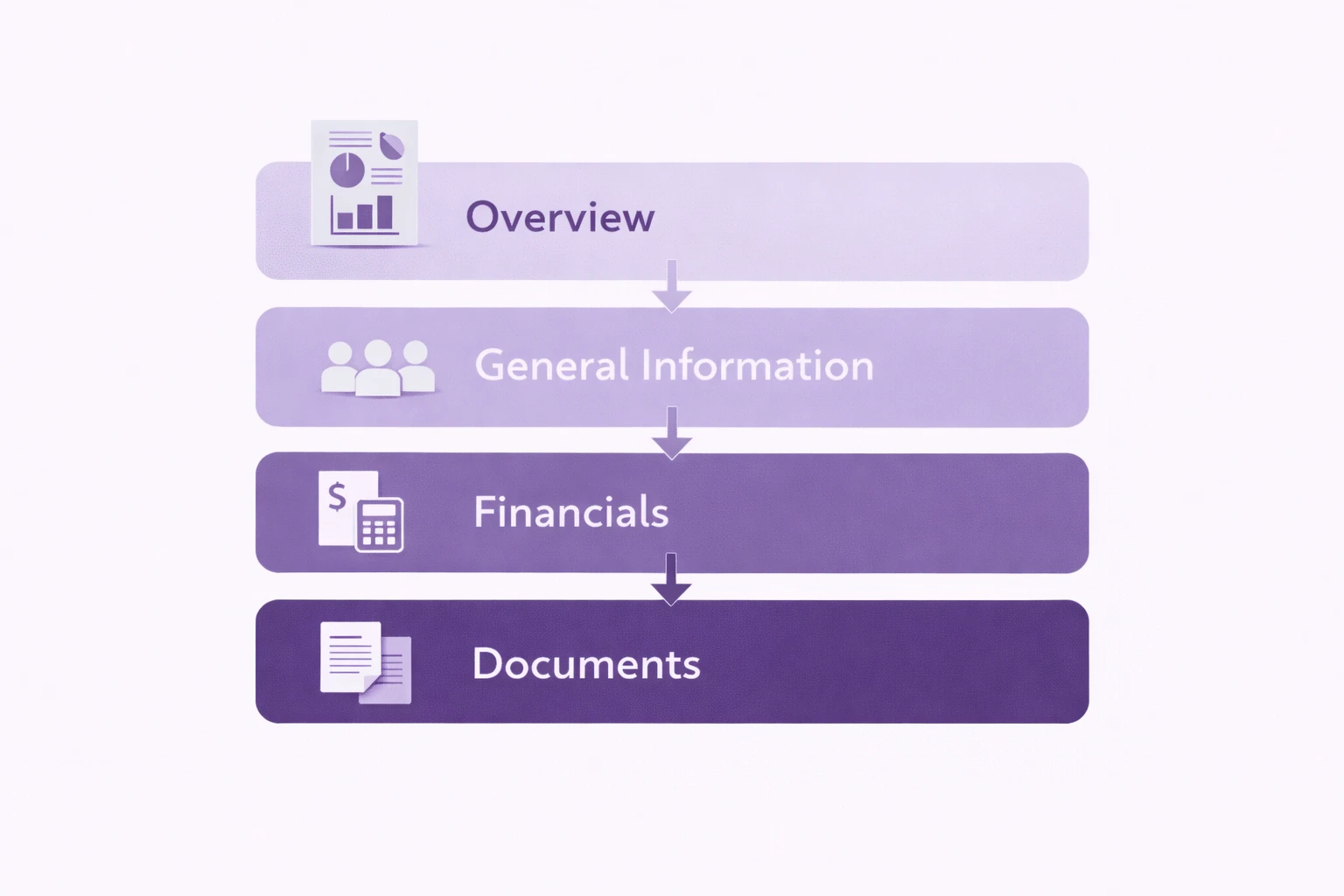
It is a managed sequence.
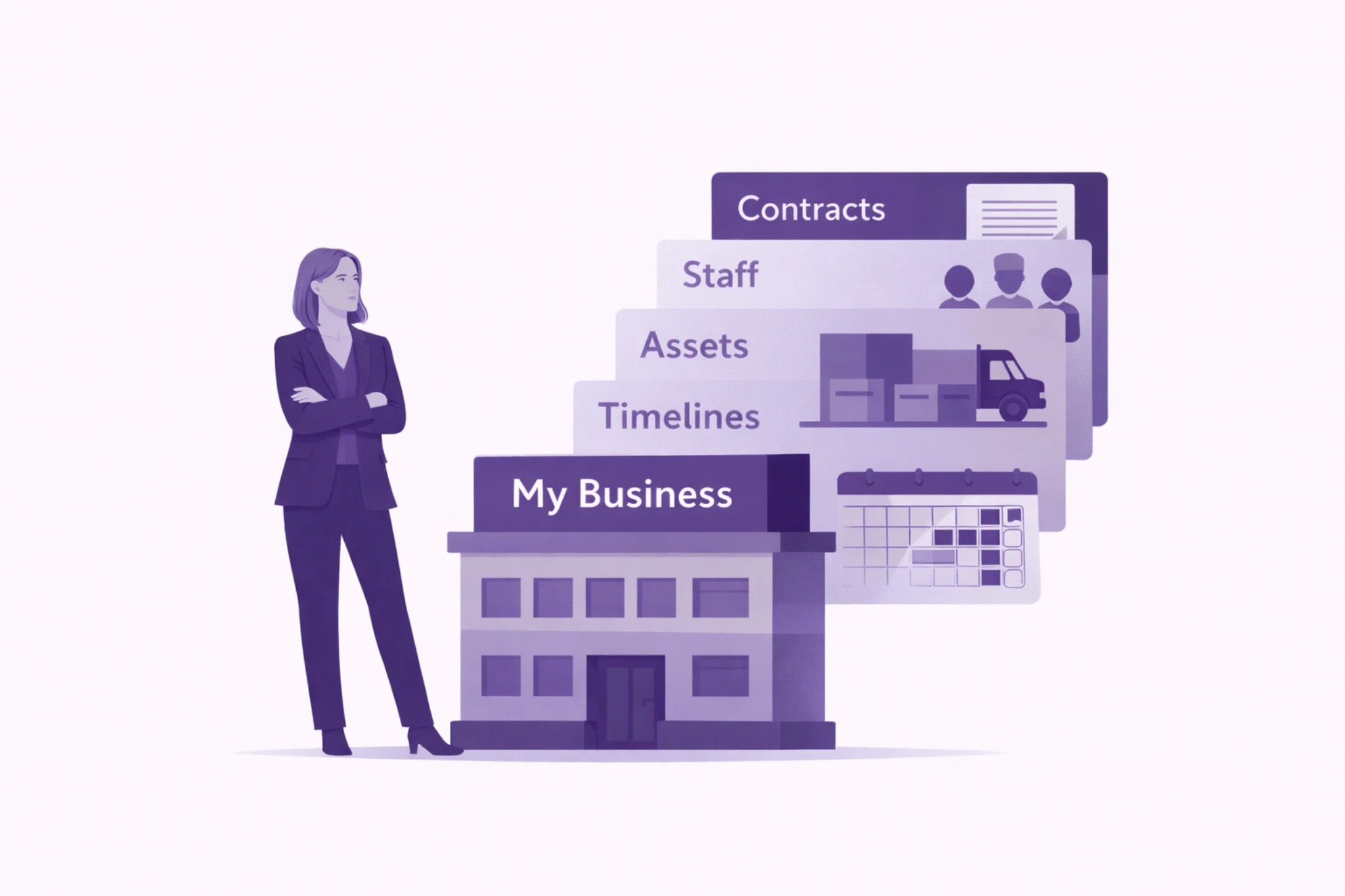
In smaller owner-operated businesses, some of these layers are light.
But once you add staff, assets, contracts, funding structures, deferred components, and reputation exposure, the transaction becomes multi-dimensional.
At that point, the sale behaves more like a commercial project than a conversation.
It only feels simple when the layers are not yet visible.
This is one of the most underestimated parts of the decision.
Many owners assume a sale can be done in a few months.
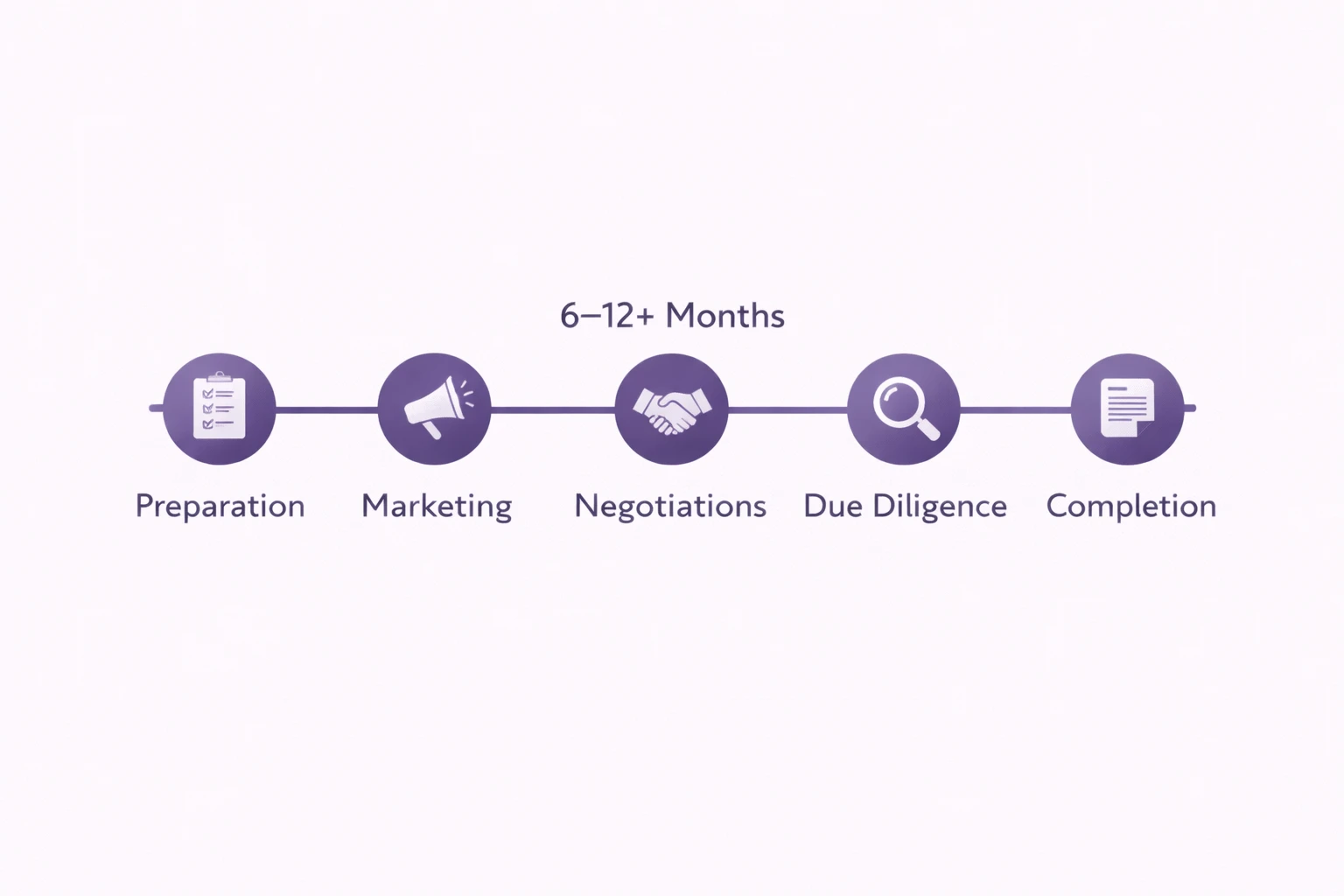
In reality, a business sale takes an absolute minimum of six months.
More commonly, twelve months or more from initial preparation through to completion.
That includes preparing material properly, sourcing and qualifying buyers, negotiating terms, working through due diligence, documenting agreements, and settling the transaction.
All while the business continues operating.
It does not replace your day-to-day responsibilities.
You are selling and running at the same time.
When timelines stretch beyond expectation, pressure builds.
Fatigue influences decisions.
And small concessions begin to accumulate.
Selling a business runs alongside running the business.
Not because owners lack intelligence.
Because they lack sequence.
Common early missteps include
When a serious buyer senses the process is unstructured, they rarely challenge it.
They disengage.
Momentum disappears quietly.
Professional buyers expect a professional process.
The visible part is marketing.
The invisible part is control.
It is both art and science.
A deliberate progression where each move is considered before the next is taken.
In larger deals, this becomes critical.
Especially once fatigue enters the room and complexity builds.
It is not about applying pressure. It is about managing progression.
In complex transactions, detail accumulates.
Clauses expand.
Questions multiply.
Due diligence deepens.
Owners negotiating alone often begin firmly.
But over time, fatigue sets in.
Small concessions feel manageable.
Then they compound.
Eventually, structure weakens without the seller fully realising it.
They do not lose on price first. They lose in the details.
When owners say they want a clean break, they rarely mean just cash.
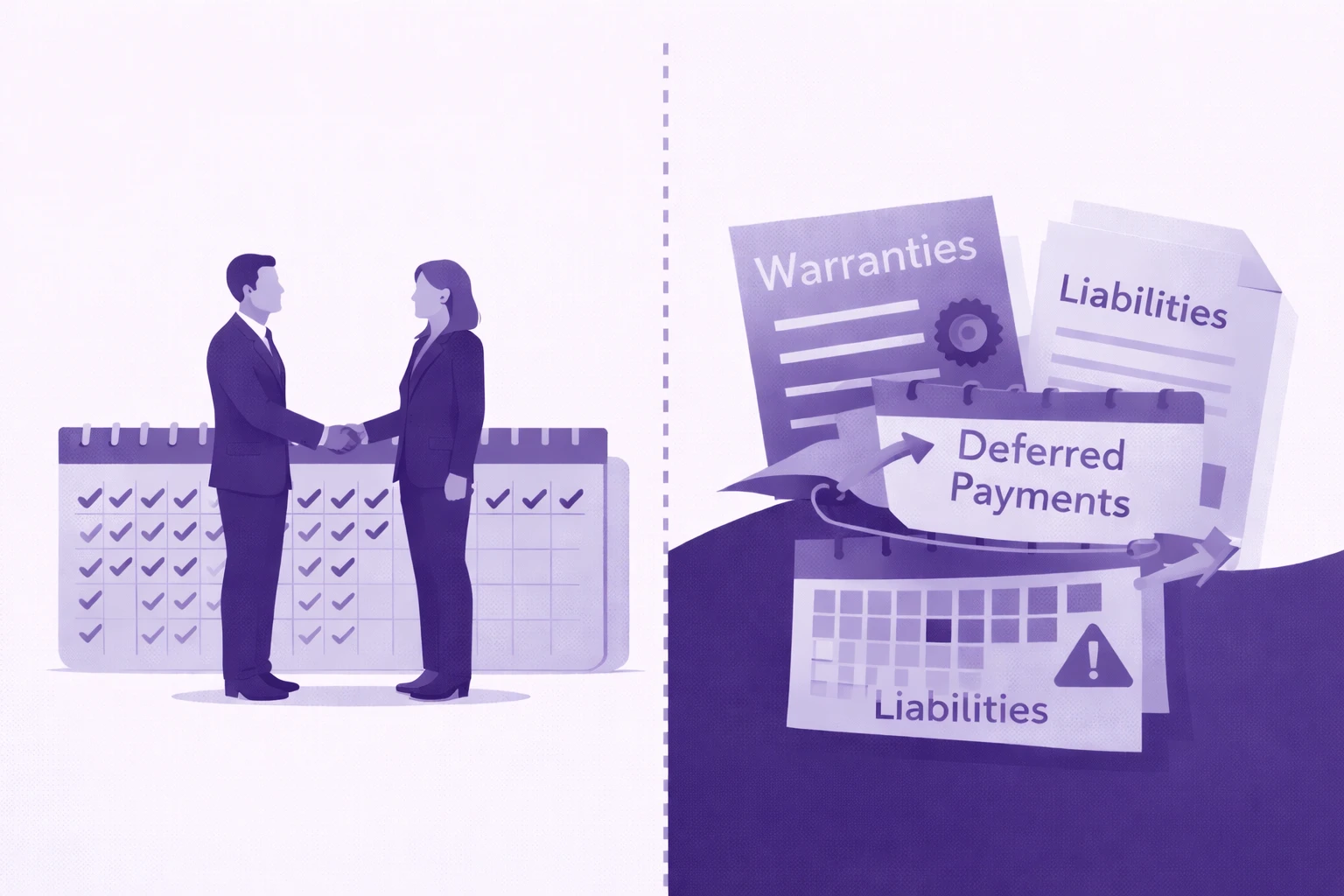
They mean clear tax positioning, strong payment security, defined post-sale involvement, limited ongoing liabilities, and tightly managed warranties.
Two deals can show the same headline price.
One leaves lingering exposure.
The other closes cleanly.
The difference lies in structure.
The number attracts attention. The structure determines how it feels later.
Very small, simple businesses can sometimes transact privately.
Minimal staff.
Minimal assets.
Straightforward handover.
But once value rises, particularly above seven figures, scrutiny increases.
Funding becomes layered.
Due diligence becomes forensic.
Legal structure expands.
In these environments, tactical management influences outcome incrementally.
And incremental improvements compound.
Professional sequencing improves probability, not certainty.
This fear is understandable.
Some owners worry they will be sidelined.
In reality, a structured process increases clarity.
You still choose the buyer.
You still approve terms.
You still make final decisions.
The broker manages tension, protects confidentiality, and buffers negotiation emotion.
Control shifts from reactive to structured.
Structured control feels very different from reactive control.
If the business is small, owner-operated, and structurally simple, a private sale may be viable.
Low contractual exposure.
Minimal moving parts.
Straightforward handover.
The decision is not moral.
It is proportional to complexity.
The more layers the business carries, the more layers the sale will carry.
Choosing whether to use a broker influences buyer quality, confidentiality, negotiation structure, risk allocation, tax positioning discussions, exit cleanliness, and emotional load.
A poorly managed sale drains energy.
A structured one preserves it.
“You should finish the process steady, not depleted.”
You do not have to use a business broker to sell your business.
But as complexity rises, structured professional management changes the probability of a stable and well-constructed exit.
Clarity first.
Decision second.